Friday, May 11, 2012

Everybody Loves Strippers


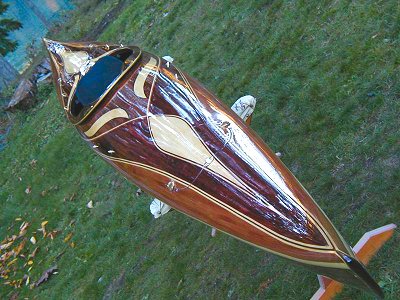
I know this has nothing to do with speed in any way but I cant help but marvel at the beauty of hand made strip kayaks. Constructed by gluing strips of wood over formers to enclose the hull, strip kayaks get their beauty from the wood used to construct them. One of the things that, in my opinion makes them so attractive is that they are most often not 1 solid color. The use of strips allows one to get a plethora of different shade into a finished hull. Oft times you will see a builder shape different designs or inlays into the "deck" of a kayak and it has a stunning effect. Witnessing one of these creations gliding across a mountain lake reflecting off of the glass surface is a fine sight indeed.


These are just a few of the more striking examples that I have come across. There are many different sites online where you can buy plans and and instruction manuals to build one yourself. I have even found a few that have plans/kits for surfboards. I neither surf, nor boat, but either project is something I would consider building myself, and be proud to own.


Tuesday, May 1, 2012

Pick A Door

Unbeknownst to many, In WWII the Vincent motorcycle company attempted a foray into aviation with its ill-fated Picador. Vincent designed the Picador project as a bid to provide the power plants for ML aviation target drones.The Picador was basically a Vincent v-twin but there were a few details that set it apart from the regular production crop. The Picador had to be made to withstand prolonged high altitude at high RPM. Vincents solution for the problems provided by this performance envelope were simple... stout crank, fuel injection,  Badass oil pump. With these upgrades the Picador could basically handle anything. In any case, Vincent did not get the contract, which has turned out to be a good thing for the owners of Vincent motorcycles. Had they actually got the contract none of those beefy parts would have trickled down to the hand of high performance Vincent owners.


Monday, April 30, 2012

Chasing Demons

What drives a man to straddle a motorcycle, strap into a race car, or airplane, and hurdle himself accross a long dry lake in persuit of little more than bragging rights? Im not talking about people like Breedlove who have all the financial backing and sponsorship you could ever want going for the all out. Im talking about the guy in his garage who takes whatever he can scrounge up and gets the notion in his head that it can be made to go fast. If you go to bonneville, or mojave, or beeville, you will see men with everything from scooters all the way up to twin jet propelled monsters lined up for a chance to let it all hang out in an attempt see what their machine is capable of, to push their own limits and see where the edge of that envelope is. This white knuckle persuit of speed in its purest form seems pointless to most, testing both ones mechanical skill and ability to pilot ones own creation, has merit.

Wednesday, April 25, 2012

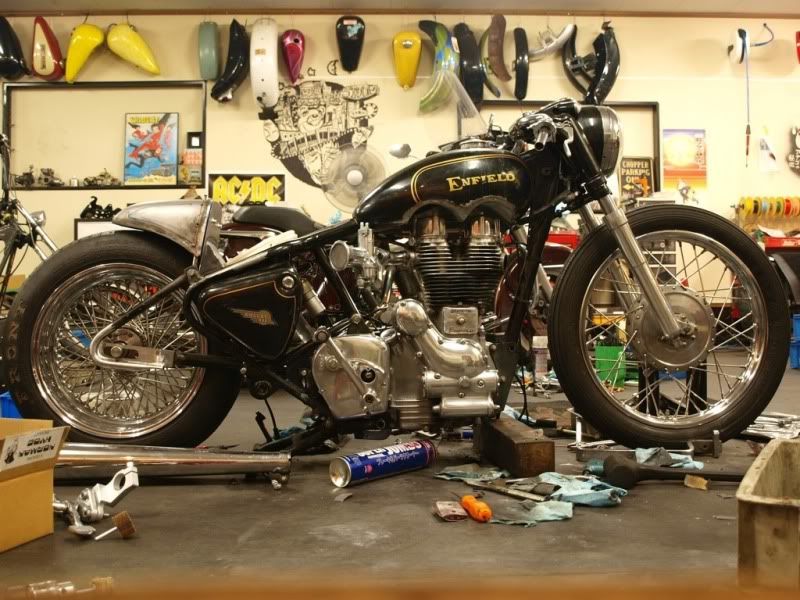
Enfield Home Run

Admittedly, I dont know anything about Royal Enfield motorcycles. Also, I dont know anything about this motorcycle, but it is going to be very, very cool.

The Hulster 8 valve

Built by stellan egeland with a knucklehead bottom end and a hand made top end. These speak for themselves.


Friday, April 13, 2012

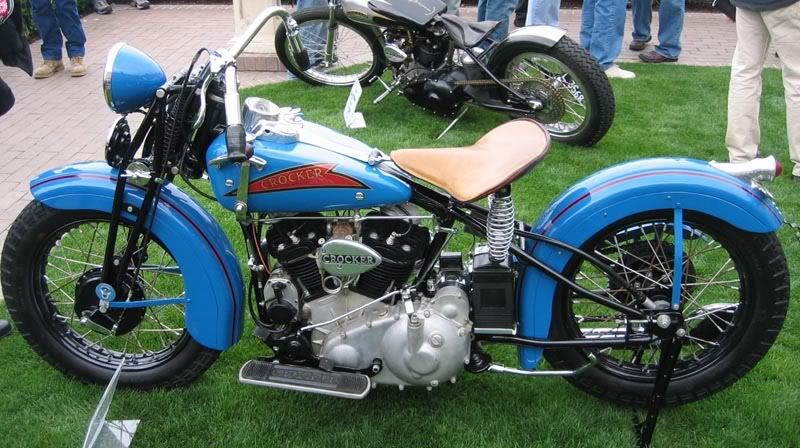
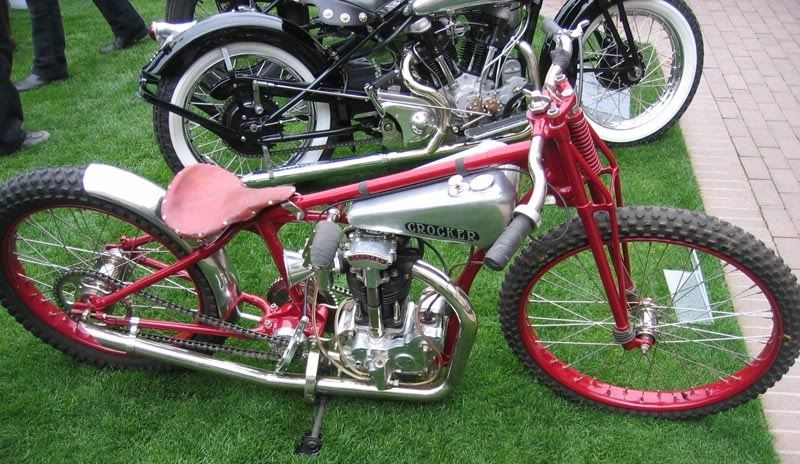
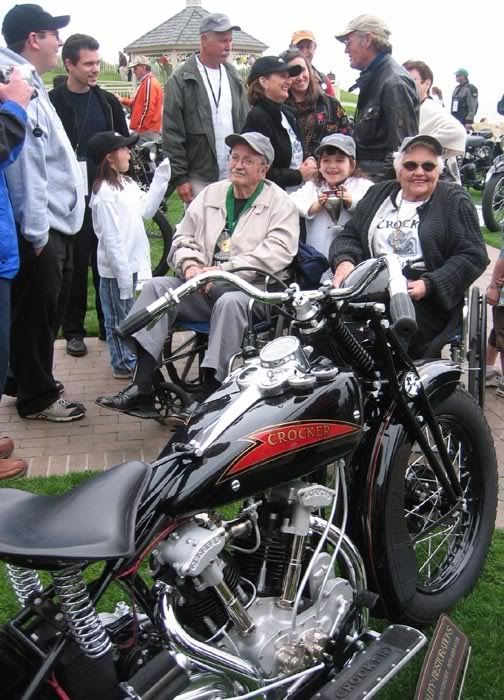
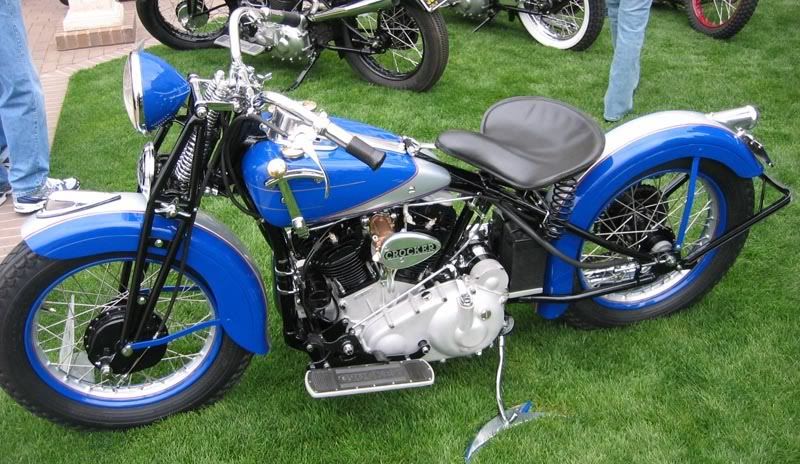
What a, Crocker?

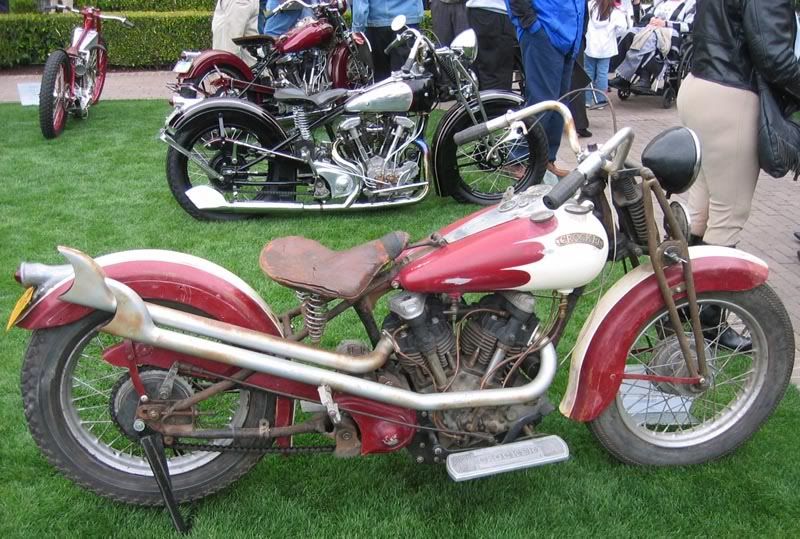
Crocker motorcycles was founded by Al Crocker in 1936. They were the largest displacement and fastest motorcycles around for many years. Much more powerful than either Harley, Or Indians offerings. Crocker made his name by building speedway bikes until he decided to produce some road going machines. Though made in much, much smaller numbers, I think what Crocker achieved with his designs is much more significant than what the other manufacturers of the day produced.


and its a HEMI.


Sunday, April 1, 2012

Got Wood?

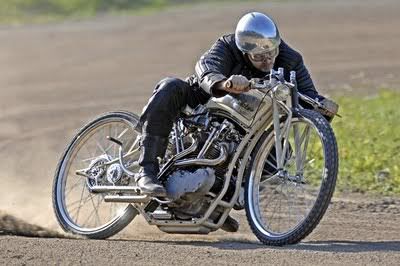
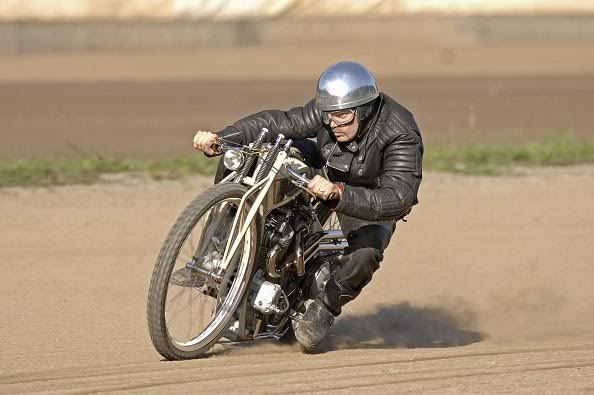
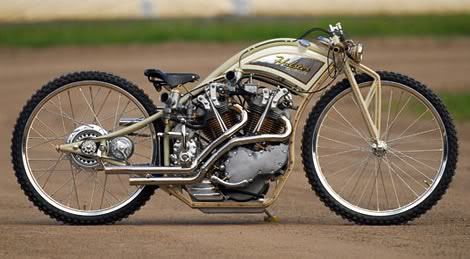
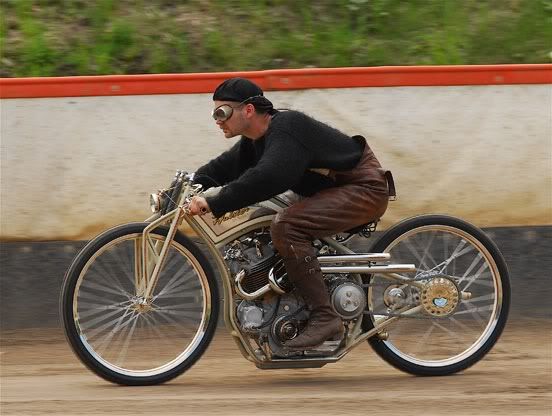
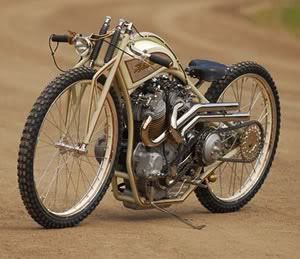
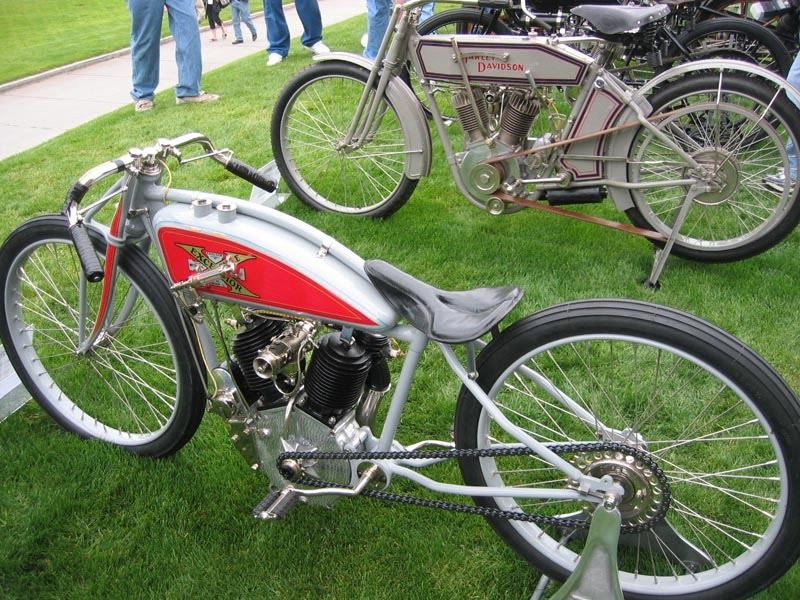
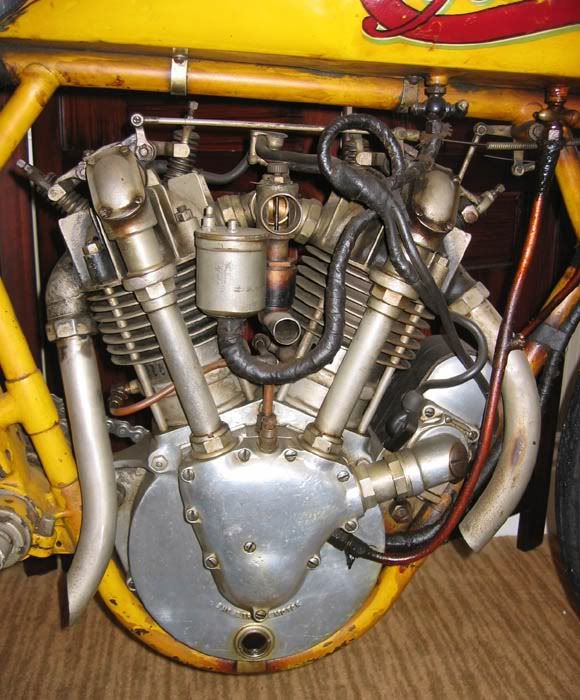
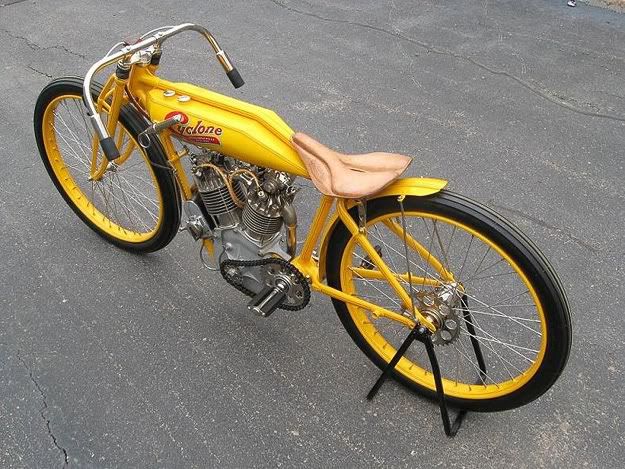
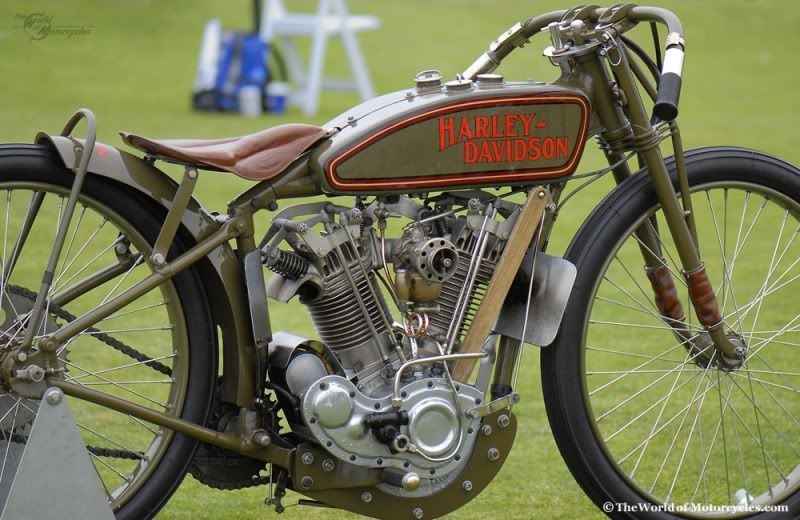
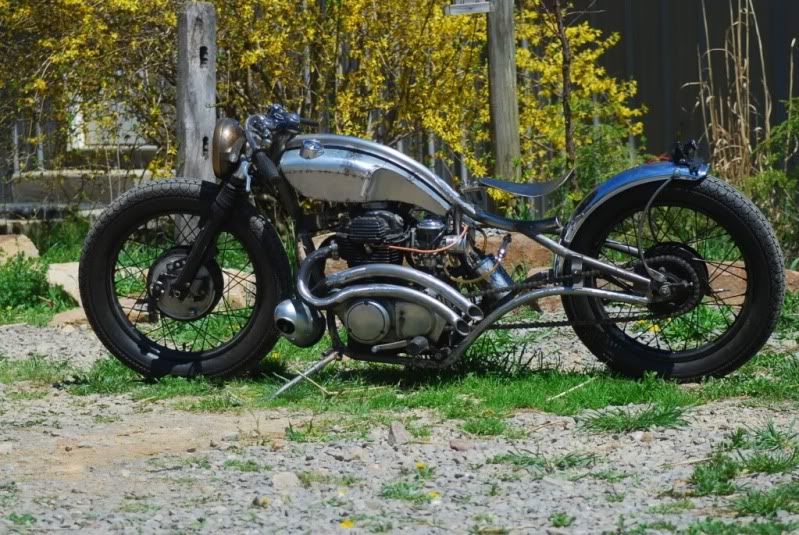
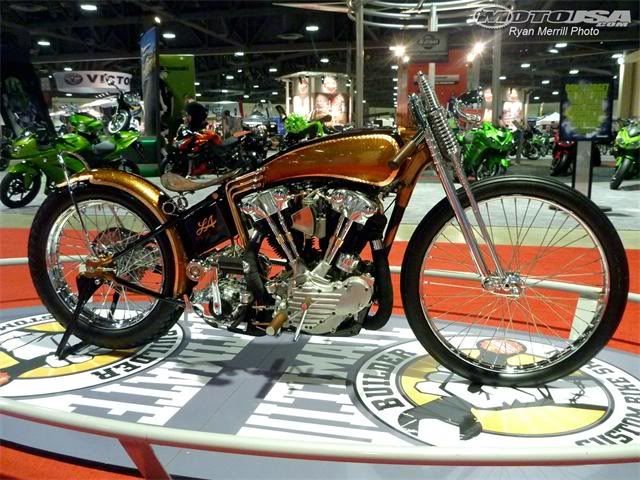
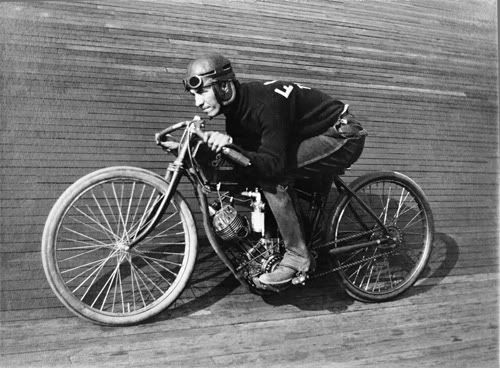
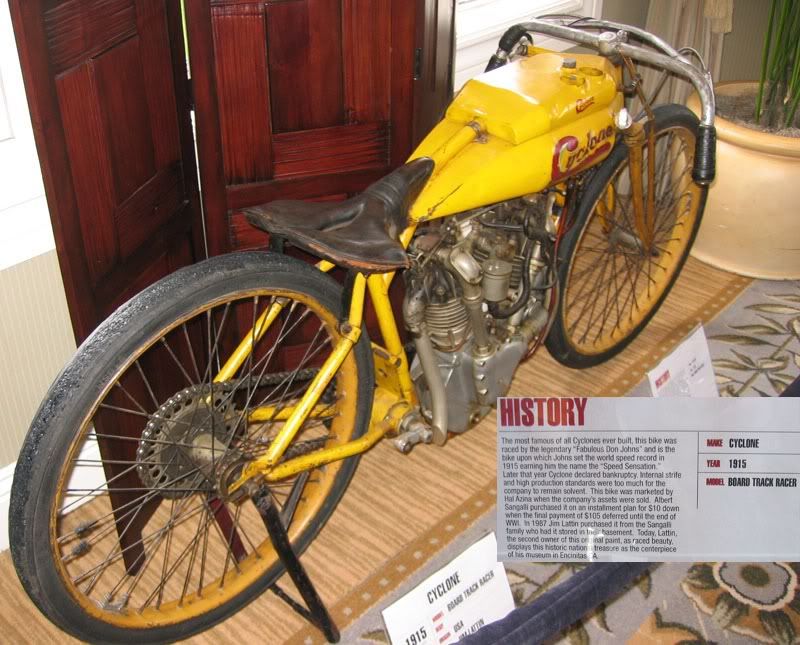
In the early 1900's one of the most popular forms of racing was track bicycles in wooden floored velodromes. Well, it would seem that some unhinged individual in the audience was at one of these events and decided it sure would be fun to get a motorcycle out on those high banks. In 1910 the first board track opened in Playa del rey California using the same construction techniques, although beefed up, as found in the french style bicycle velodromes. Over the next 30 years many more tracks popped up all over the nation ranging from 1/8th to 2 miles in length. Because of the high banking, the riders were able to achieve very high cornering speeds, allowing them to carry more speed down the straights as well, an architectural development we still see today in NASCAR. The machines spectators saw flying around the high-banked wooden ovals were as unique as the tracks themselves. Stripped down to be as light as possible and and as sleek and streamlined as anything ever seen during the era, one look made it extremely clear these machines were built for speed. The spartan nature of these motorcycles, combined with the fact that motorcycle development was still in its early years, made the designs of the day look something akin to a bicycle built around the largest motor possible. The purity of the pursuit of speed and simplicity of the early racers really combines to create a motorcycle that attracts the eye in a way that few others do. In a time when some of the most legendary american motorcycle manufacturers, such as Harley Davidson and Indian, went up against the smaller but hungry builders, like Henderson-Excelsior, and Coker, the motorcycles produced for this unique style of racing truly are stunning. They have even inspired some of today's builders to produce some amazing creations.